
Influencers can be a powerful asset for small restaurants looking to expand their reach and connect with new customers. If you’re new to my blog, I’m Areta and I have been a food blogger for 10 years. I have collaborated with numerous small restaurant owners to help them reach new audiences. Many small restaurants do not have a large budget for marketing including hiring professional PR firms for help. Here is my professional and easy-to-follow guide to help you work effectively with influencers.

- 1. Understand What Influencers Do
- 2. Identify the Right Influencers
- 3. Build a Relationship
- 4. Create a Win-Win Collaboration
- 5. Provide an Excellent Experience
- 6. Set Boundaries to Protect Yourself
- 7. Barter vs. Paid Collaborations: Know the Difference
- 8. Share the Content
- 9. Track Results
- 10. Build Long-Term Partnerships
1. Understand What Influencers Do
Influencers are individuals who have built an engaged audience on social media or blogs. They can introduce your restaurant to potential customers by sharing their experiences through posts, stories, or reviews. Their endorsement carries weight because it feels authentic and trustworthy.
2. Identify the Right Influencers
Not all influencers are the right fit for your restaurant. Look for:
- Local Reach: Choose influencers who are based in your area or whose followers are likely to visit your restaurant.
- Niche Alignment: Food bloggers or lifestyle influencers who focus on dining experiences are ideal.
- Engagement: An influencer with a smaller but highly engaged audience often has more impact than one with many followers but low interaction.
- Style: Review their content to ensure it aligns with your brand’s aesthetic and values.
Be cautious of fake influencers who may have bought fake followers or engagement. Signs to watch for include:
- A high follower count with low engagement (few likes or comments relative to their audience size).
- Generic or spam-like comments on their posts.
- A sudden spike in followers that doesn’t align with their content quality.
Also, remember that your business profile acts as a tool to attract potential customers, including influencers. When they review your social media profile, ensure it showcases professional photos, an up-to-date menu, and highlights from your restaurant. A strong profile can make your restaurant more appealing for collaborations.
3. Build a Relationship
Start by engaging with the influencer’s content. Comment on their posts, share their stories, or like their photos. This shows that you value their work and creates a natural connection.
When reaching out, be professional and clear. For example:
“Hi [Name], I’m [Your Name], the owner of [Restaurant Name]. I’ve been following your work and appreciate your passion for showcasing local dining spots. We’d love to invite you to experience our menu and share your thoughts with your audience. Let me know if this sounds like something you’d be interested in!”
4. Create a Win-Win Collaboration
Offer value to the influencer, such as:
- Complimentary meals
- Exclusive experiences (e.g., menu tastings or behind-the-scenes tours)
- Monetary compensation for larger campaigns
Be clear about your expectations. For example, you might ask for an Instagram post, stories, or a blog review. However, avoid being overly prescriptive—authentic content resonates better with audiences.
5. Provide an Excellent Experience
Ensure the influencer’s visit is memorable. Some tips include:
- Providing top-notch service
- Presenting dishes beautifully
- Offering insight into your menu or concept
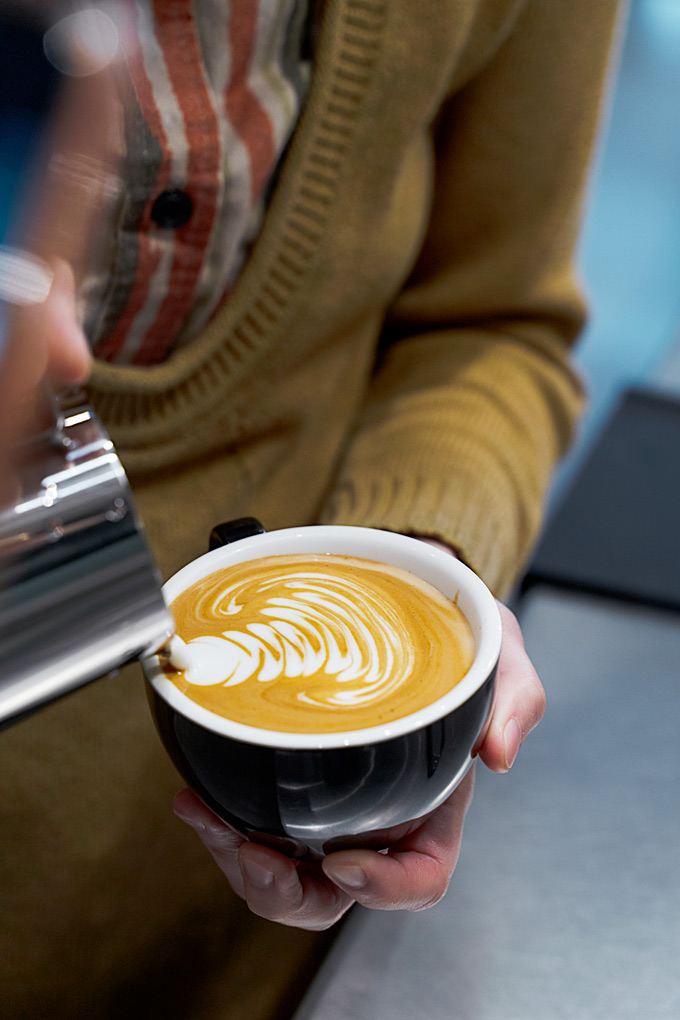
Treat the influencer like any valued guest—a positive experience will translate into a glowing recommendation. Examples of top-notch service include greeting them personally, offering small takeaways such as a branded gift or sample, and ensuring they feel welcomed throughout their visit.
If your restaurant has busy times, invite the influencer to visit when it’s less busy so that they have more space to do the content.
6. Set Boundaries to Protect Yourself
While generosity is important, setting clear boundaries ensures that collaborations remain mutually beneficial. Establish a limit on what the influencer receives to prevent over-ordering and to protect your bottom line. For example, you could offer:
- A set number of dishes (e.g., two appetizers, two main courses, and one dessert)
- A fixed dollar amount they can order within
Communicate these limits politely but firmly during your initial discussions. For instance:
“We’d love for you to try our signature dishes! Please feel free to select items up to $100 from our menu. Let us know if you have any preferences!”
Setting these boundaries not only keeps the collaboration fair but also ensures influencers focus on experiencing the best you have to offer without stretching your resources.
7. Barter vs. Paid Collaborations: Know the Difference
If the collaboration is based on a barter arrangement (e.g., offering a free meal), it’s essential to manage your expectations. In such cases, you generally cannot:
- Request drafts of content for approval
- Demand specific posting dates
These terms are more common in sponsored collaborations where you pay the influencer for their work. Barter collaborations rely more on trust and the influencer’s organic storytelling. Clearly define the terms upfront to avoid misunderstandings and focus on creating a positive experience that inspires authentic content.

8. Share the Content
When the influencer posts about your restaurant, share their content on your social media channels (with their permission). This amplifies the reach and showcases the positive buzz around your business.
9. Track Results
Monitor the impact of the collaboration by:
- Checking for increased foot traffic
- Asking new customers how they heard about your restaurant
- Tracking engagement metrics on your social media (likes, comments, and shares)
This will help you evaluate the success of the partnership and refine your approach for future collaborations.
10. Build Long-Term Partnerships
If the collaboration is successful, consider establishing an ongoing relationship. Loyal influencers who genuinely love your restaurant can become powerful advocates over time.
By working strategically with influencers, you can boost your restaurant’s visibility and build a loyal customer base.