
In 1976, Tim Hortons introduced a small, bite-sized donut hole that was originally intended as a clever way to use leftover dough. Fifty years later, the Timbit is no longer just a menu item; it is a cultural fixture. From suburban hockey rinks to cross-country road trips, these snacks have become the unofficial currency of Canadian social gatherings.
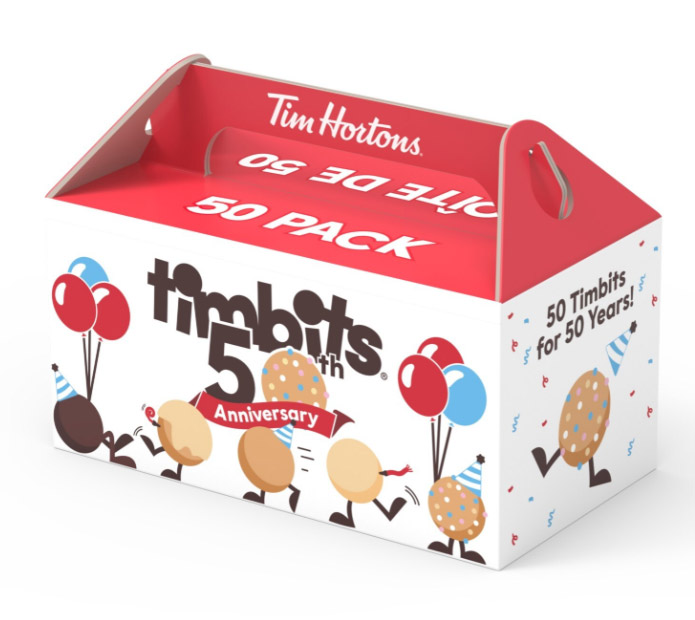
To mark this five-decade milestone, Tim Hortons is moving beyond the standard 10, 20, and 40-count assortments. Starting this week, restaurants across the country are rolling out a limited-edition 50-pack Timbits box, a direct nod to the year the snack first hit the counters.
The Evolution of a National Staple
While the brand has evolved significantly since the first location opened in Hamilton in 1964, the Timbit remains remarkably resilient to changing food trends. In fact, 2025 saw record-breaking sales for the snack, proving that Canadians’ appetite for these glazed spheres is only increasing.
The data from the past year reveals a clear preference for tradition. Despite a rotating door of experimental flavours, the Chocolate Glazed Timbit remains the reigning champion among Canadian consumers. It is a predictable outcome, perhaps, but one that highlights the comfort found in consistency.
Innovation in Small Batches
While the classics hold the top spots, Tim Hortons has not shied away from premium iterations. The 2025 release of Blueberry Cheesecake and Crème Brulée filled Timbits signaled a shift toward more sophisticated flavor profiles. This “Filled” category represents the brand’s attempt to bridge the gap between a quick breakfast side and a legitimate dessert.
“Having Timbits at the heart of special moments is something we’re incredibly proud of,” says Axel Schwan, President of Tim Hortons. Looking forward, the company has teased additional flavour launches for later in 2026, though specific details remain under wraps.
What the 50th Anniversary Means for Guests
The commemorative 50-pack box is more than a marketing gimmick; it is a logistical response to the way Canadians consume the product, collectively. Whether it’s a “Timbits Tuesday” at the office or a post-soccer game reward, the larger format acknowledges the snack’s role as a communal experience.
As Tim Hortons enters its sixth decade of operation, the Timbit serves as a reminder of the power of simplicity. What started as a “little bite-sized donut” has managed to sustain its relevance through fifty years of economic and cultural shifts.