
Québec City brings together history, food and everyday city life in a way that feels distinctive from one neighbourhood to the next. Centuries-old streets, globally-recognized restaurants, cultural institutions and views of the St. Lawrence River give the city a strong sense of place. Cafés, independent shops and residential areas reveal another side of the city beyond the major attractions.
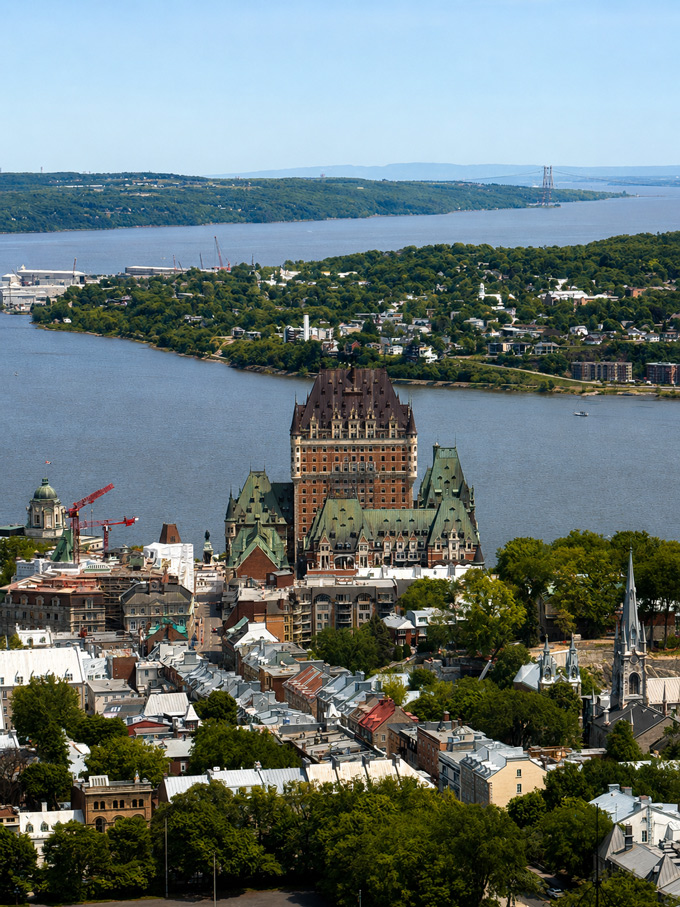
The destination works well for both a weekend getaway and a longer stay. Many of Québec City’s best-known landmarks are concentrated in Old Québec, though the neighbourhood restaurants, Nordic spa experiences and farms and vineyards of Île d’Orléans make it worthwhile to venture beyond the historic centre.
Here is how to experience Québec City through food, history, neighbourhoods and surrounding region.
Experiencing Québec City, One Bite at a Time
Food is one of the most rewarding ways to experience Québec City, with menus that draw from regional producers, local traditions and the surrounding landscape.
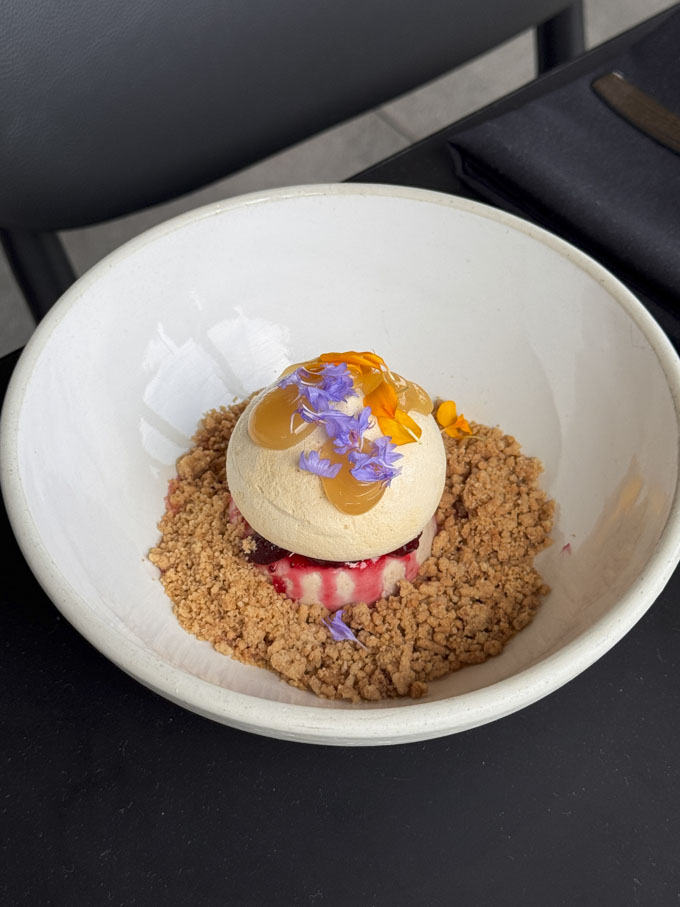
Two notable tasting-menu experiences are Laurie Raphaël, which holds one MICHELIN star, and Tanière³, which holds two MICHELIN stars and ranks ninth on North America’s 50 Best Restaurants 2026 list.
Located in Québec City’s historic Old Port, Laurie Raphaël is a longstanding family-run restaurant known for contemporary cuisine inspired by Québec’s seasons, producers and natural environment.
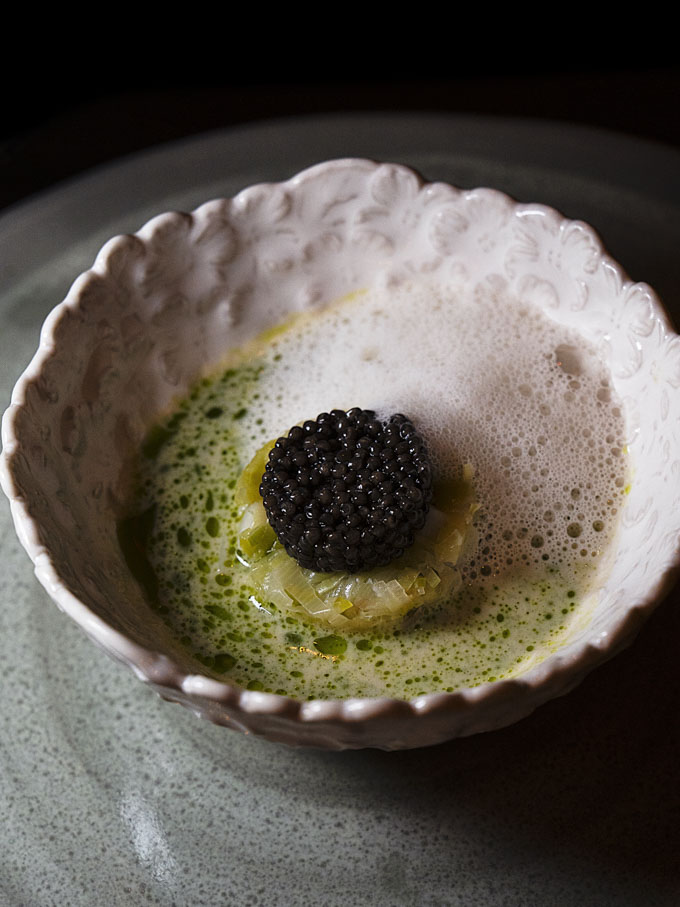
Tanière³ celebrates Québec’s culinary heritage through a hyper-seasonal tasting menu of 12 to 18 courses, shaped by ingredients from the province.
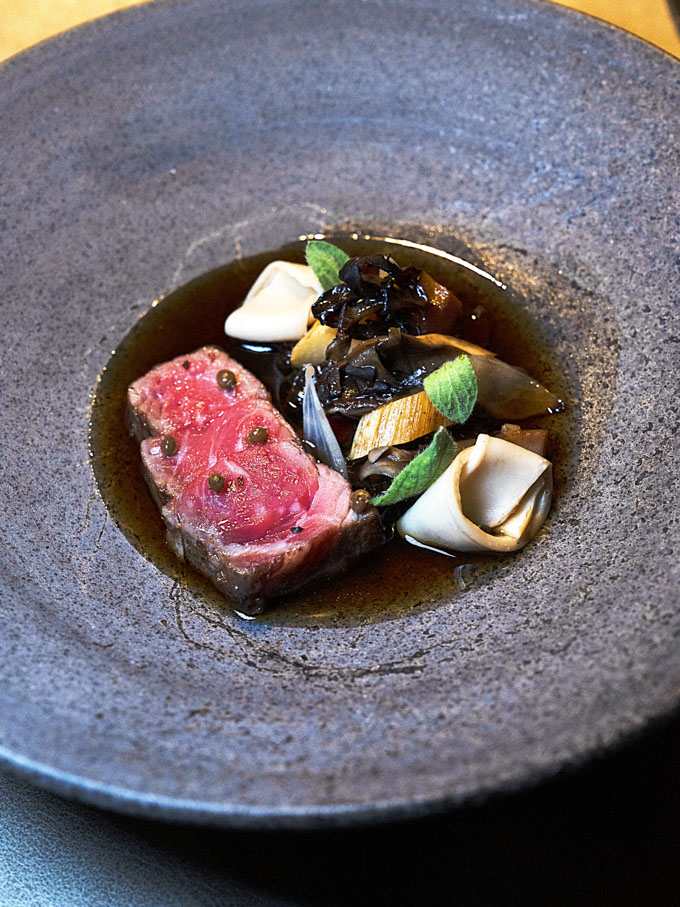
One MICHELIN star Restaurant Le Clan is a great spot for weekend brunch with a generous set menu centred on Québec ingredients, wild game, house-made charcuterie and seasonal produce.
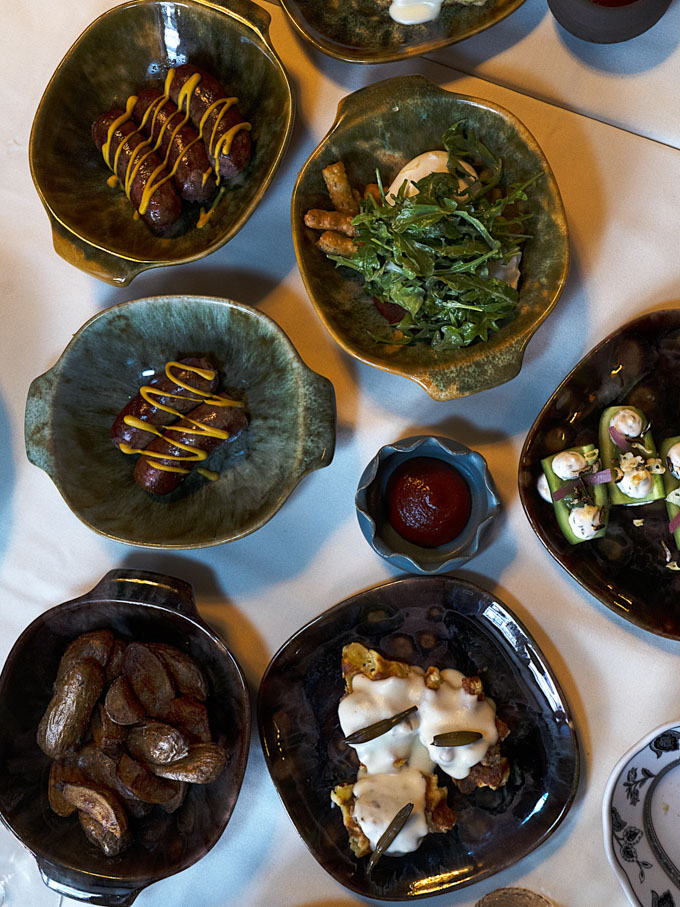
Restaurant Melba, a MICHELIN-recognized spot, offers a different experience in Saint-Sauveur. The small French-inspired restaurant features inventive French cuisine prepared with seasonal Québec products.
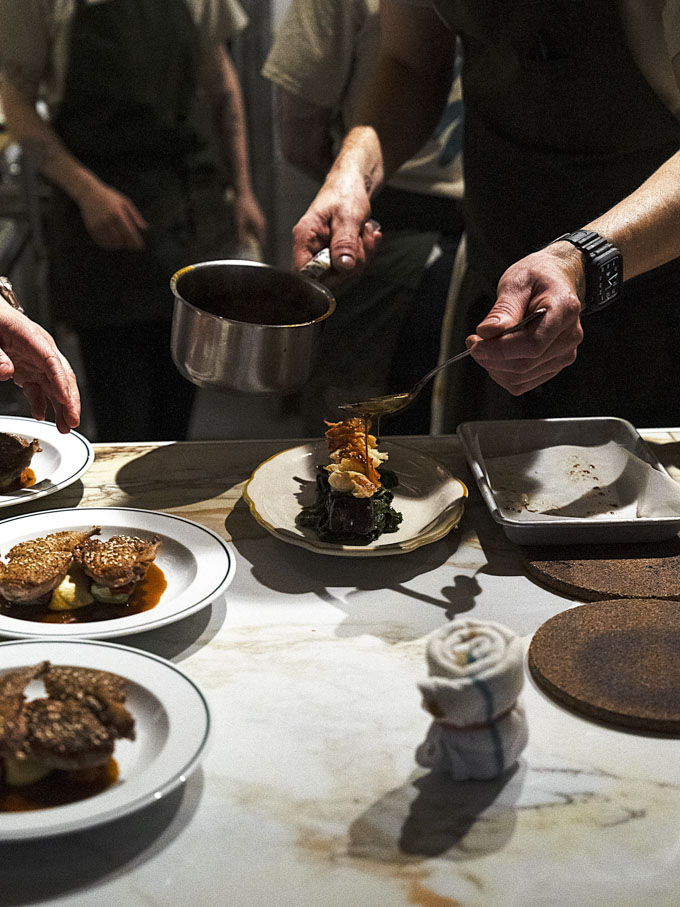
For cocktails and shareable plates, check out Le Bijou, Salon à Cocktails located inside Monsieur Jean, Hôtel Particulier. The setting makes it an easy choice for a relaxed evening in the historic district.
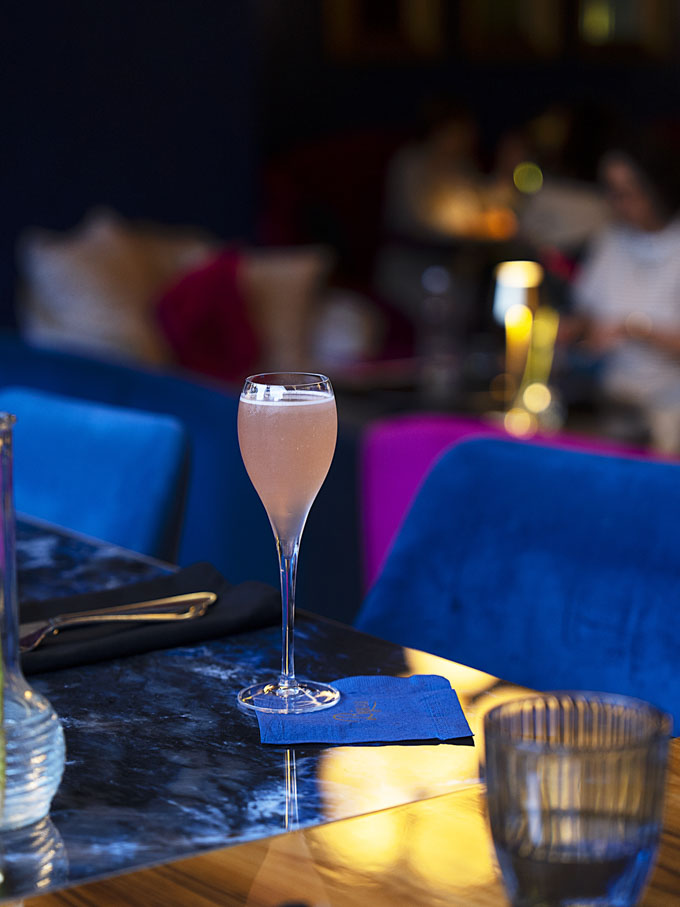
Bar 1608, inside Fairmont Le Château Frontenac, is a good stop for an apéritif with views of the St. Lawrence River. I enjoyed sitting by the windows after a full day of exploring and watching the light shift across the water.
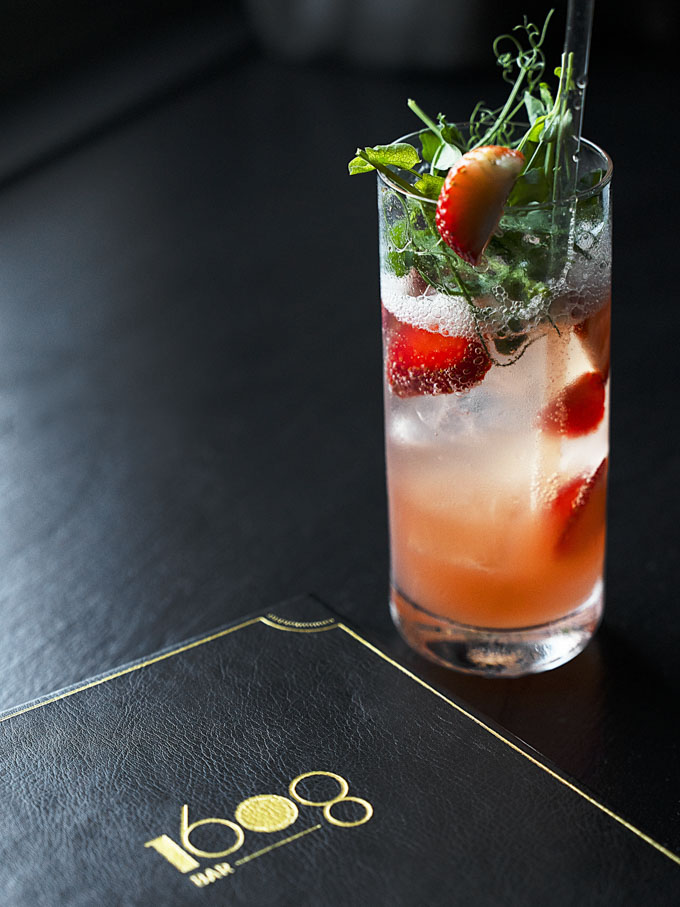
Find Cafés, Bakeries and Local Drinks
Rue Saint-Jean and neighbourhoods Saint-Roch and Saint-Sauveur are worth visiting for independent cafés, bakeries and food shops beyond the historic centre.
Café Cantook, Café Apotek, Pâtisserie Chouquette, Le Croquembouche and Boulangerie artisanale Epi’Fanny are popular stops for coffee, pastries or a slower break between activities.
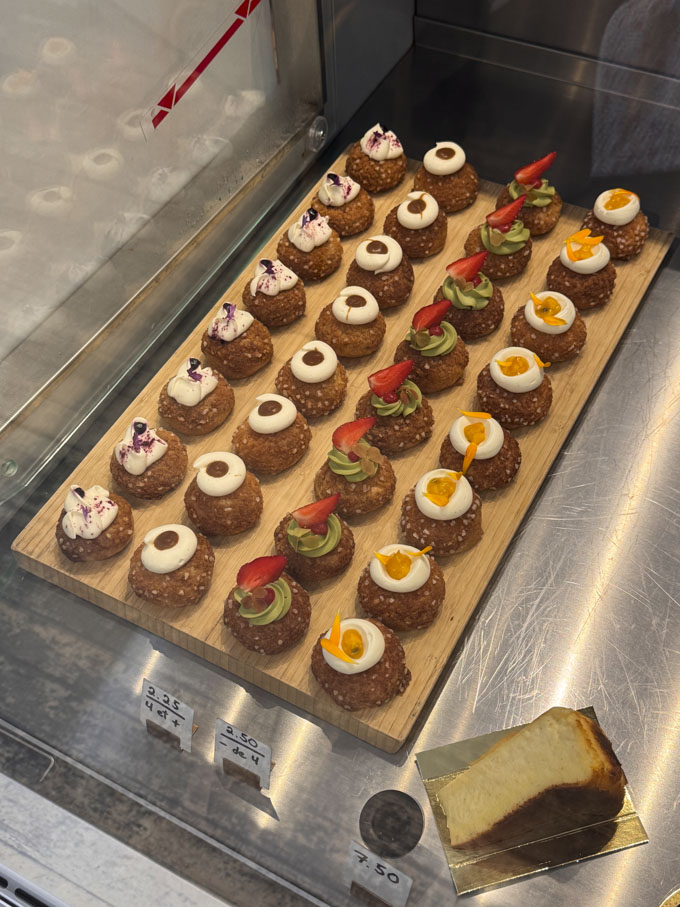
Épicerie Québécoise Chez Boulay is another fun place to browse Québec-made foods and pantry products.
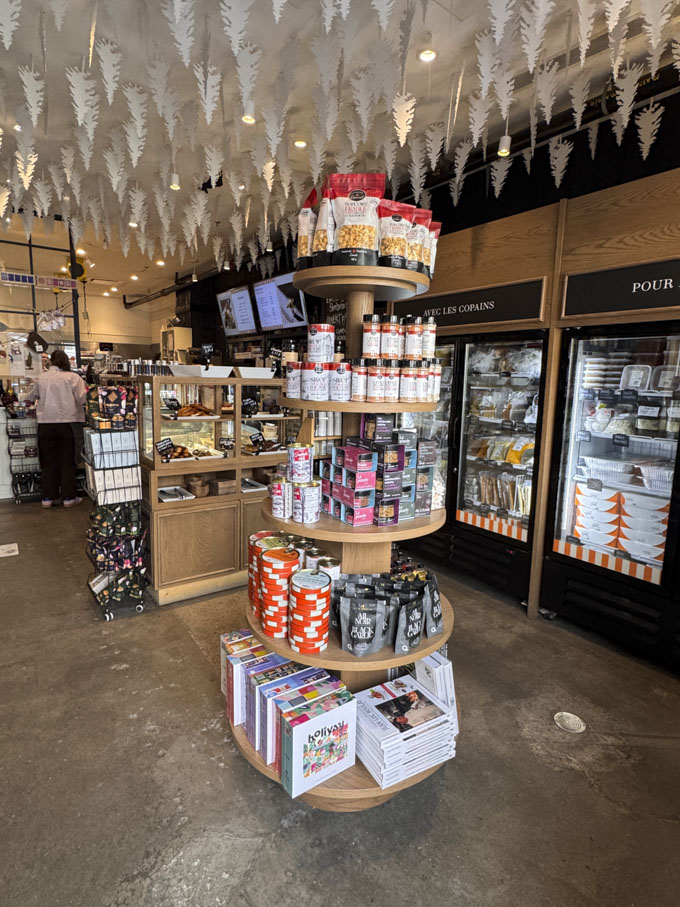
The same neighbourhoods offer several places for an evening drink. Taverne Jos Dion and Pub Chez Gérard have a casual tavern atmosphere, while Jjacques, Gisèle Buvette and Vieux Carré are options for wine or cocktails. Noctem Artisans Brasseurs, La Barberie and Siboire serve locally brewed beer.
Take a Food and Wine Trip to Île d’Orléans
Île d’Orléans makes for a great day trip from Québec City. The island is known for farms, orchards, vineyards, cider producers and roadside shops, making it a worthwhile addition to a food-focused trip.
Travelling by car provides more freedom to stop along the way, though guided tours are also available through companies such as Conciergerie du Terroir. Watching the surroundings change and stopping at smaller producers became central parts of the experience.
Ferme François Gosselin and Fromagerie Ferme Audet are local producers of apples, maple syrup and cheese. Domaine Sainte-Famille combines a vineyard and orchard overlooking the St. Lawrence River, with wines, sparkling cider, ice cider and fruit liqueurs produced on the property.
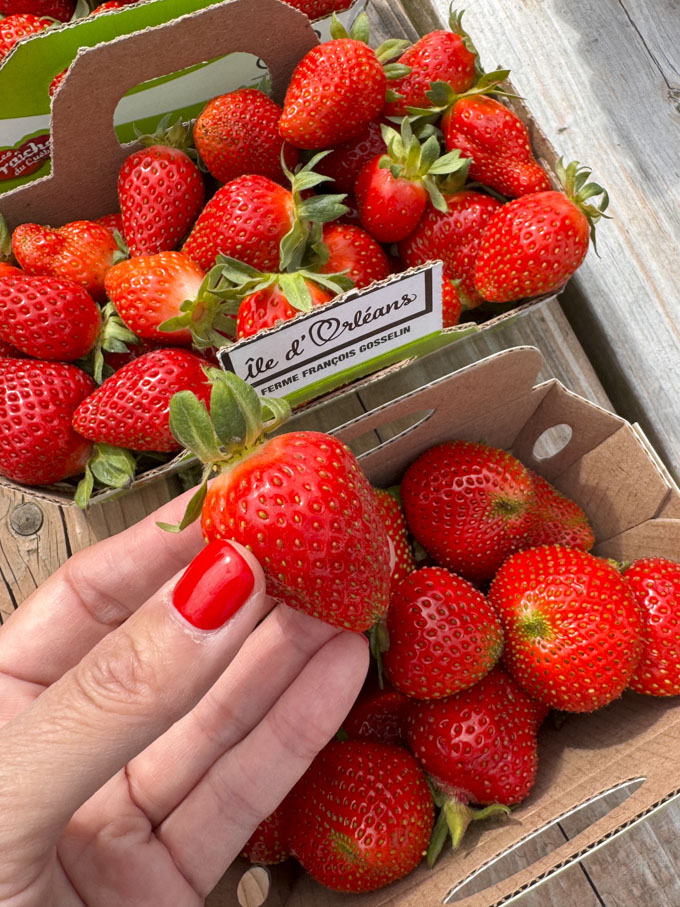
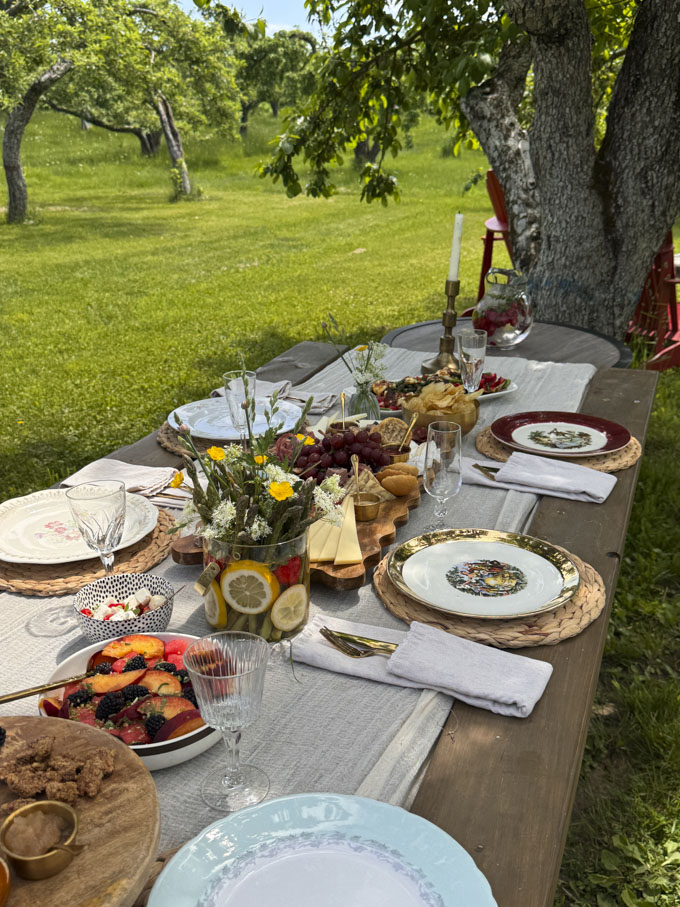
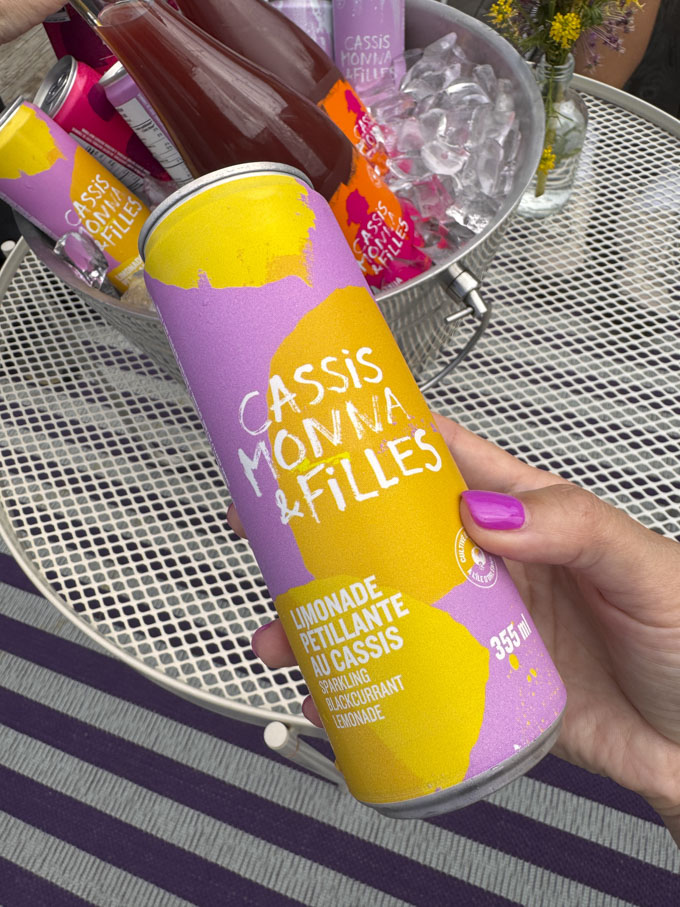
Cassis Monna & Filles specializes in black currants and produces crème de cassis and other fruit-based products. I enjoyed seeing how one locally grown ingredient could be used across drinks, preserves and desserts.
Walk Through Old Québec
Old Québec is one of the easiest areas to explore on foot. Begin at Dufferin Terrace, the boardwalk beside Fairmont Le Château Frontenac, where the elevated position provides broad views of the St. Lawrence River.
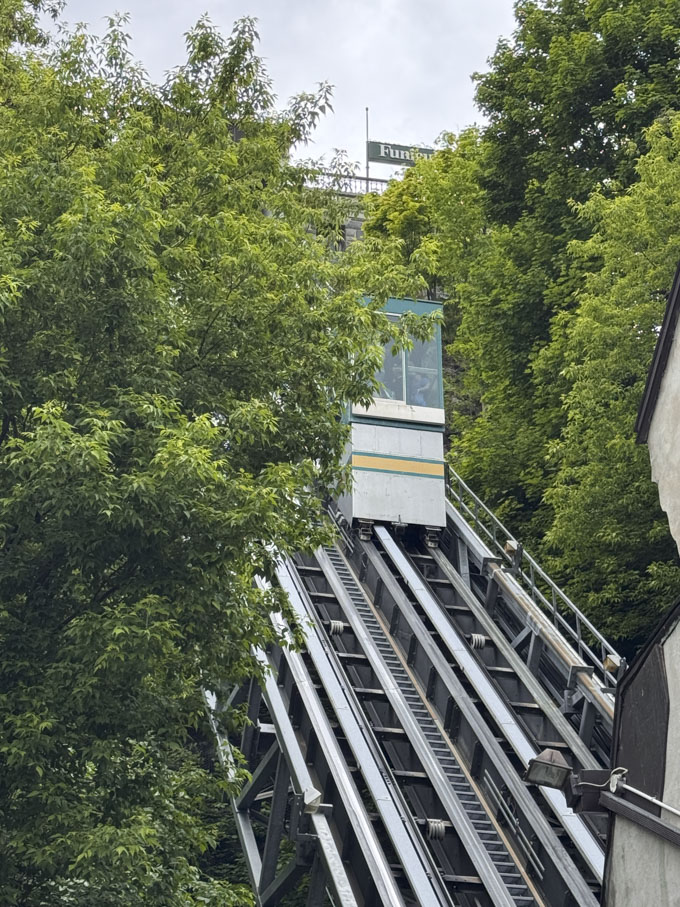
From Dufferin Terrace, ride the Old Québec Funicular into Petit-Champlain, then continue toward Place Royale and the Old Port. The route passes boutiques, galleries, cafés and historic buildings, though some of the most interesting moments come from leaving the main path and following the smaller streets.
Visit Museums and Historic Sites
Québec City’s museums and historic sites add context to the architecture and neighbourhoods around them.
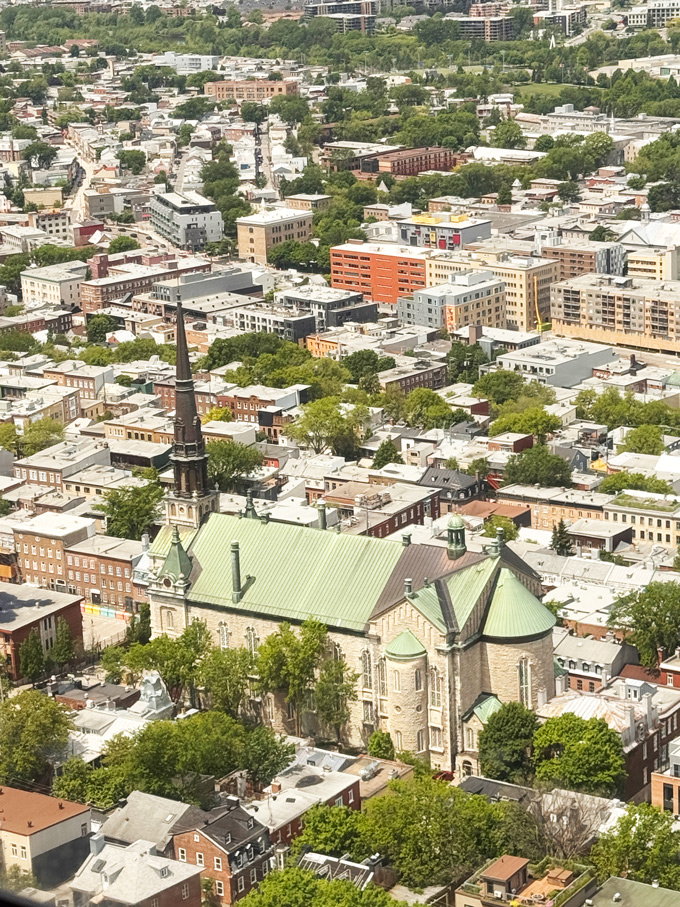
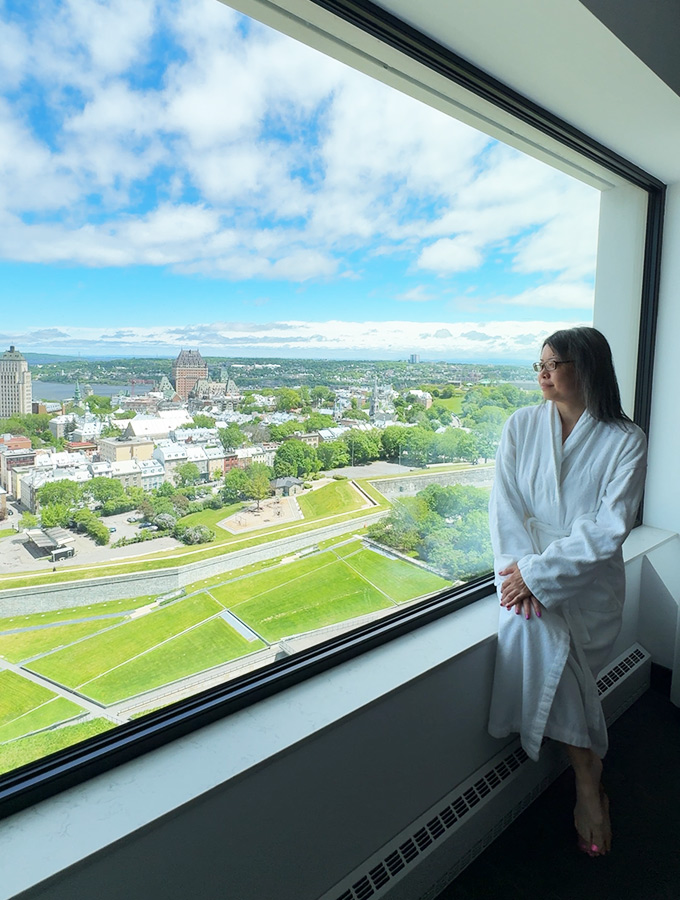
I particularly enjoyed the Observatoire de la Capitale which offers panoramic views over Québec City and the surrounding region.
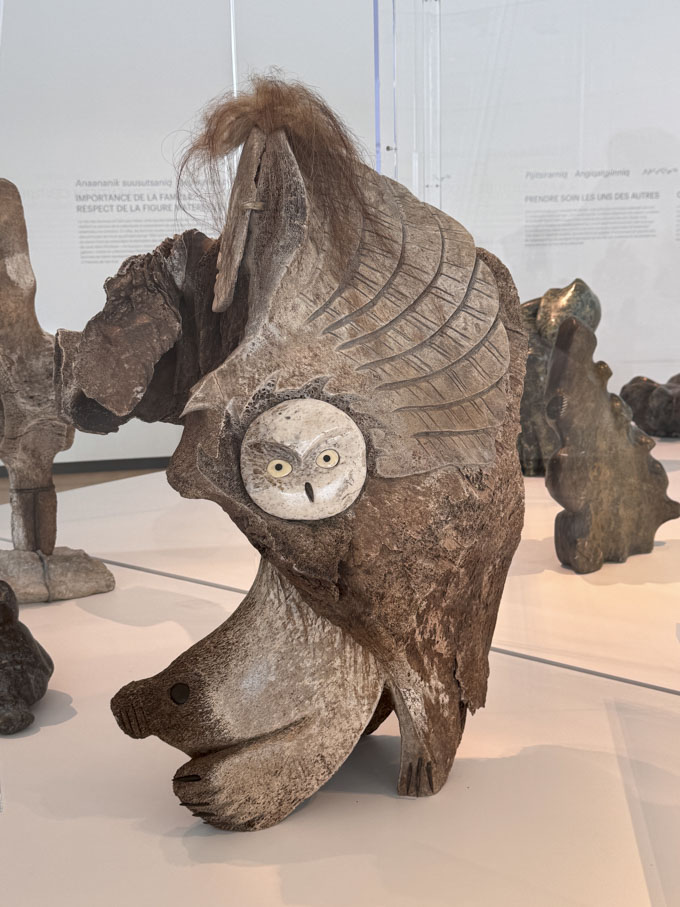
The Musée national des beaux-arts du Québec, located near the Plains of Abraham, provides another perspective on the province. I found the museum helpful for understanding Québec through their artists rather than only through monuments and historic buildings.
La Citadelle de Québec offers a closer look at the city’s military history. The Musée de la civilisation in Lower Town examines historical and contemporary subjects through changing exhibitions.
Spend Time at a Nordic Spa
Strøm spa nordique Vieux-Québec is located beside the St. Lawrence River, a short drive from Old Québec.
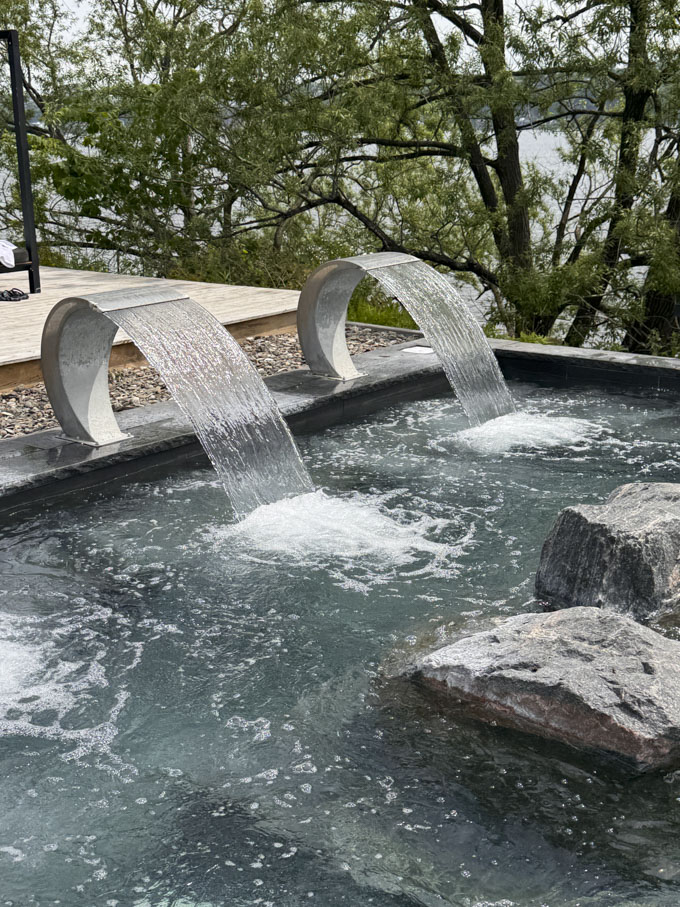
The spa includes warm pools, cold plunges, saunas and quiet rest areas overlooking the water. I welcomed the slower pace after several days of walking through the city.
Restaurant Nord is located at the spa and serves cuisine influenced by northern flavours, regional products and Québec artisans. Staying for lunch allowed the calm atmosphere to continue before I returned to the city.
Where to Stay in Québec City
Choosing a hotel near Old Québec makes it easier to reach restaurants, museums and attractions on foot.
Monsieur Jean, Hôtel Particulier is located within the historic district near Rue Saint-Jean. I appreciated being able to step outside and continue exploring on foot. Guest rooms include kitchens, which can be useful for longer stays.
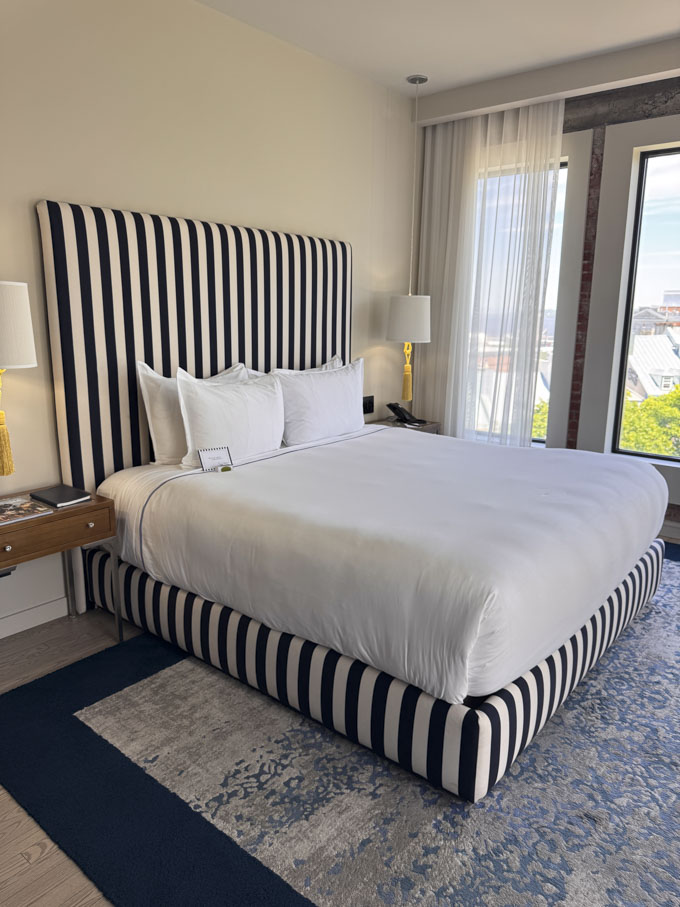
Hilton Québec is located near Parliament Hill and just outside the walls of Old Québec. I found the location convenient for walking to Upper Town, Grande Allée and the Plains of Abraham. Selected rooms offer elevated views over the city and the St. Lawrence River.
How Much Time Do You Need in Québec City?
A weekend gives you enough time to explore Old Québec, visit a museum, dine at acclaimed restaurants and include a trip to Île d’Orléans or a visit to Strøm spa nordique.
Three or four days allows for a more relaxed pace, with extra time for neighbourhoods outside the historic centre, additional museums and more food experiences.
What Makes Québec City Worth the Trip
Québec City is especially ideal for travellers who like to understand a destination through food. Tasting menus, neighbourhood bakeries, local drinks and farm visits on Île d’Orléans each reveal a different part of the region.
I enjoyed moving between experiences, from a tasting menu shaped by Québec ingredients to coffee and pastries the next morning, followed by an afternoon visiting producers outside the city. Food gave the trip rhythm and connected the history, landscape and neighbourhoods across each day.
Whether you visit for a weekend or stay longer, leaving room for both planned culinary experiences and spontaneous stops is one of the best ways to experience Québec City.