
This February, The Peanut Institute is celebrating Black History Month by recognizing the father of the peanut industry, George Washington Carver, and sharing five tasty African heritage recipes.
Carver Solves a Problem and Births an Industry
Carver was an agricultural chemist who pioneered a novel approach that addressed soil depletion and, at the same time, established a new, lucrative crop in the southern United States.
During the 1800s, Southern farmers who grew cotton year after year in the same fields were unknowingly left with nitrogen deficient soil, which resulted in low crop yields. To restore nitrogen, Carver introduced the concept of crop rotation and recommended farmers switch to nitrogen-fixing plants like peanuts, soybeans and sweet potatoes. By practicing crop rotation, cotton could once again be grown and produce high yields.
As peanut production ramped up, there was a new issue to address – a glut of peanuts. To solve that, Carver invented more than 300 peanut-based products, including milk, flour, dyes, plastics, wood stains, soaps, oils and cosmetics. However, despite popular belief, Carver did not create peanut butter.
In 1896, before Carver’s ideas were implemented, the peanut wasn’t even officially recognized as a crop. By 1940, it was one of the six leading crops in the United States and second in the South.
Today, peanuts are an economic powerhouse, contributing more than four billion dollars to the U.S. bottom line each year.
African Heritage Recipes
The Peanut Institute, in partnership with Oldways, a food and nutrition nonprofit (oldwayspt.org), has assembled a collection of African recipes that showcases how peanuts and other healthy ingredients are used in kitchens around the world.
- Suya-spiced Salmon – While suya typically refers to the skewers of grilled meats sold by street vendors across West Africa, it’s also the peanut-based spice blend used to season the meat. At-home cooks can make their own suya with peanut powder, ginger, garlic, paprika and other spices and use it to season salmon or any other type of fish.
- Jallof Rice – This is one of the most iconic recipes originating from the continent of Africa with various countries and tribes each having their own versions. At its core, the dish consists of long-grain rice cooked in a sauce of tomatoes, peppers, aromatics and spices. Other ingredients can be added, based on who’s making it. Jallof rice is an excellent accompaniment to Suya-spiced salmon.
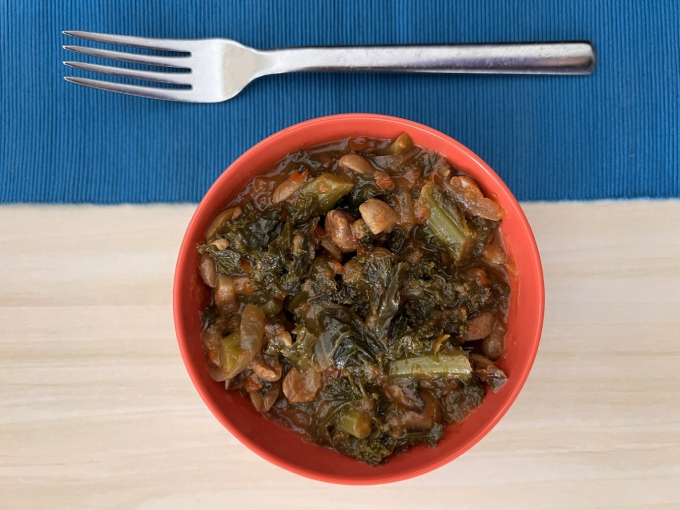
- Efo Riro with Peanuts – This recipe features greens cooked in a bold, savory sauce that’s made from peppers, tomatoes and other aromatics. It originated in Nigeria, specifically from the Yoruba tribe where the name efo riro translates to “mixed greens.” While the dish is traditionally prepared with different meats, this plant-forward recipe combines soaked peanuts with mushrooms to deliver a meaty texture and savory flavor.
- Dovi Collard Greens – Dovi is a peanut sauce enjoyed in stews throughout Zimbabwe and can contain either meat, vegetables or both. The Peanut Institute recipe forgoes meat and substitutes collard greens as the main ingredient. It is a wonderful side dish or can be converted into a complete meal by adding protein.
- Millet Sadza – In Zimbabwe, stews are served with a thickened porridge known as sadza. This recipe uses millet flour but it can also be made with corn flour.
For the complete recipes, visit PeanutInstitute.com or follow Facebook, Twitter, Instagram, LinkedIn and Pinterest.